
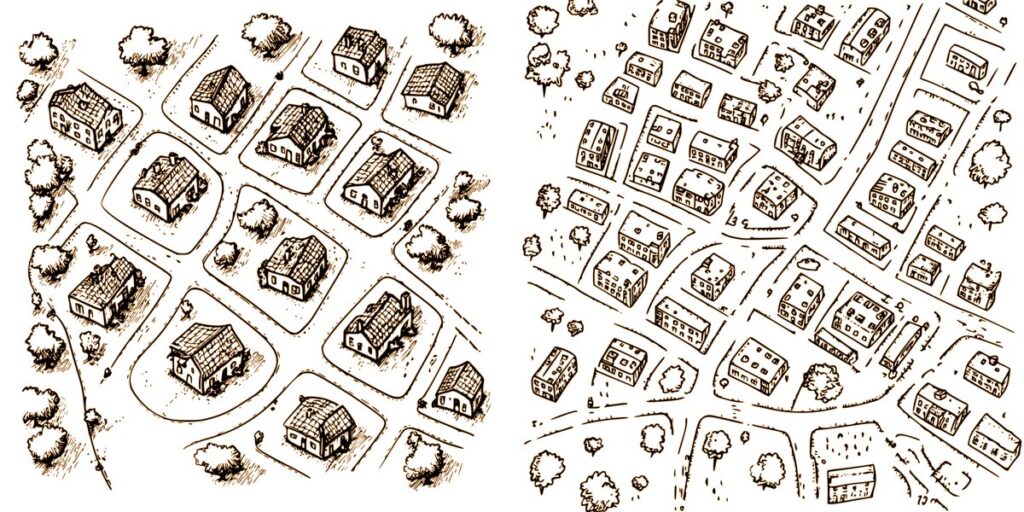
Nestled within the welcoming embrace of Edina, Minnesota, the Countryside neighborhood stands as a testament to community, perseverance, and the seamless blending of suburban charm with natural beauty. For longtime residents and newcomers alike, Countryside is more than an address—it’s a place where histories unfold, friendships are forged, and generations grow. Let’s take a heartfelt walk through time and discover how Countryside became the neighborhood so many are proud to call home.
Origins: Rolling Fields and New Dreams
Long before you’d find children riding bikes down Benton Avenue or friends chatting on Tracy Avenue, the land that is now Countryside was characterized by rolling fields, woods, and wetlands. In the early 20th century, Edina itself was largely rural, dominated by farms and creeks that wound quietly through the countryside.
The neighborhood’s name, “Countryside,” wasn’t chosen by accident. As the Twin Cities grew after World War II, planners and developers saw an opportunity in Edina’s western reaches—areas far removed from the hustle and bustle of Minneapolis. When residential development began in earnest here in the late 1940s and early 1950s, the vision was clear: create a neighborhood that retained that fresh, open feel of the land’s original use. Thus, “Countryside” perfectly echoed the natural tranquility, offering new suburban homes with large lots, wooded vistas, and easy access to parks.
The 1950s and 1960s: Building a Community
The 1950s brought an explosion of home-building across Edina. Streets such as Malibu Drive, Interlachen Boulevard, and Vernon Avenue soon became lined with modest ranch-style homes and split-levels—classic symbols of postwar optimism and family life. The open fields gave way to cul-de-sacs where new roots were planted, both literally and figuratively.
But it wasn’t just the homes that made a community—it was the people and the places where they gathered. In these early decades, neighborhood associations formed, block parties became a tradition, and the seeds of today’s close-knit Countryside spirit were sown.
Countryside Elementary School: A Centerpiece Emerges
Nothing reflects the heart of this neighborhood quite like Countryside Elementary School. Built in 1958, the school rapidly became much more than a place of learning: it became the beating heart of the neighborhood. Every year, families old and new connect at the school’s playground, annual picnics, and community events.
Generations of students have walked (or snow-shoed!) across the neighborhood to school, and many today take pride in sending their own children or grandchildren along the very same routes. The school’s commitment to education and community-building underscores Countryside’s ongoing heritage.
Parks and Natural Beauty
One cannot speak about Countryside without mentioning its green spaces—witnesses to decades of picnics, sledding adventures, and lazy Sunday afternoons. The aptly named Countryside Park, bordered by Tracy Avenue and Benton Avenue, serves as a beloved gathering place. Its wide fields, playgrounds, and walking paths are where the neighborhood’s past and present meet every day.
Nearby coffee shops, the Nine Mile Creek Regional Trail, and the gentle curves of Indian Hills Road all reflect the area’s original rural character—even as Edina matured into a thriving suburb.
Landmarks and Neighborhood Character
While the neighborhood’s leafy streets and mid-century homes are easily recognized by locals, Countryside is also home to distinctive landmarks. Many residents cherish the historic Interlachen Country Club, just a stone's throw away, which adds a touch of timeless charm to the southwestern edge of the neighborhood. The club, though technically outside Countryside’s borders, has influenced the area’s identity, thanks to its long history dating back to 1909.
The houses themselves tell a quiet story of evolution. Early homes, primarily ranch-style and split-level, gave way in the 1980s and 1990s to “tear-downs” and larger, custom homes—yet the spirit of friendly streets and well-tended gardens remains intact.
Notable Streets and Hidden Corners
- Benton Avenue: Known for its tree canopy and diverse home styles, Benton is a favorite for family strolls and neighborhood chats.
- Countryside Circle: True to its name, this looping street is the perfect microcosm of neighborhood warmth, hosting block parties and evening walks.
- Tracy Avenue: Stretching along the eastern edge, Tracy links parks, the elementary school, and homes while serving as a main neighborhood thoroughfare.
Evolution and Enduring Spirit
Change is inevitable, but Countryside’s spirit proves enduring. Over the decades, original homeowners welcomed newcomers and watched new generations make the area their own. Schools have adapted, parks expanded, and homes modernized—but the essence of a “countryside” in the city remains. Today, residents find themselves part of a tradition that values both heritage and progress.
Block parties are still a summer highlight, Halloween nights are bustling with costumed kids, and neighbors look out for one another across driveways and fences. The ongoing vitality of Countryside Civic Association ensures that voices are heard and local traditions are cherished.
Whether you’re admiring the first spring blooms along Interlachen Boulevard, cheering on elementary school students at a fall festival, or simply watching the sunset from Countryside Park, you become part of a story stretching back generations.
A Home with Heart
Ask any resident what makes Countryside special, and you’re sure to hear about welcoming neighbors, leafy streets, and community pride. But what truly sets this neighborhood apart is how it honors its roots while embracing each new chapter. The history of Countryside is not just in archives or old photographs—it lives on in the laughter at the park, the traditions at the school, and the enduring warmth of this Edina gem.